
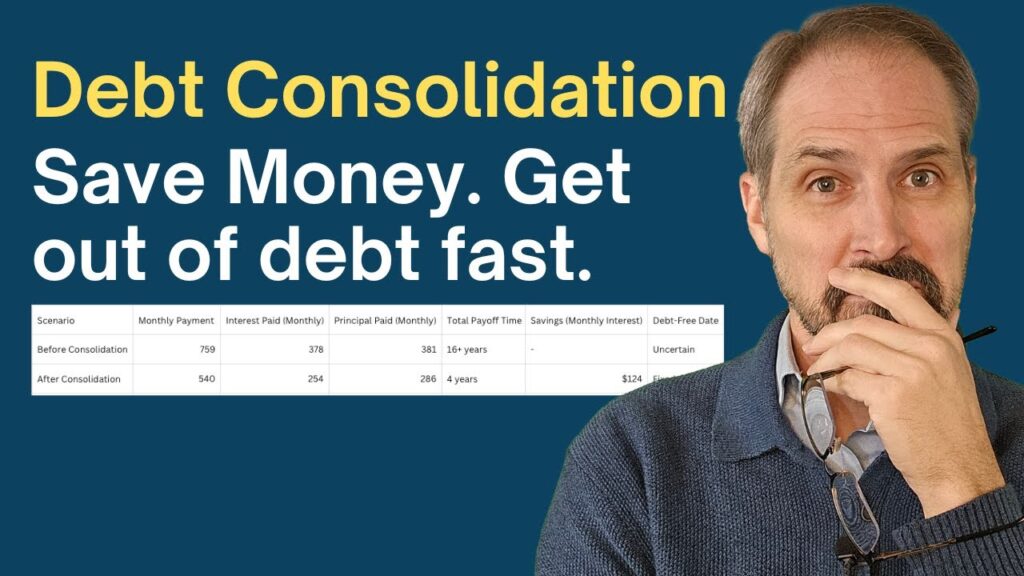
Debt Consolidation Tips: How to Streamline Debt and Save Money
Debt can feel overwhelming, especially when it involves multiple loans, credit cards, and varying interest rates. Debt consolidation is a powerful financial strategy that combines multiple debts into a single, manageable payment—often at a lower interest rate. This approach can simplify your repayment process and potentially save you money over time.
In this article, we’ll explore what debt consolidation is, how it works, and practical tips to make it effective for your financial situation.
What is Debt Consolidation?
Debt consolidation involves merging multiple debts—like credit card balances, personal loans, or medical bills—into one payment through a single loan or program. Instead of juggling multiple due dates and interest rates, you make a single monthly payment, ideally at a lower rate, making it easier to manage and potentially pay off faster.
Benefits of Debt Consolidation
- Simplifies Finances: One monthly payment is easier to track.
- Lower Interest Rates: Consolidation loans often have better rates than credit cards.
- Improves Credit Score: Reducing credit utilization and making consistent payments can boost your score.
- Reduces Stress: Financial clarity can alleviate anxiety around debt management.
1. Assess Your Current Debt Situation
Before considering consolidation, review all your debts, including balances, interest rates, and monthly payments. Calculate your total debt and determine whether consolidation will genuinely save you money.
Key Questions to Ask:
- What is my total outstanding debt?
- What interest rates am I currently paying?
- Can I afford a single monthly payment under a new loan?
2. Understand Your Debt Consolidation Options
There are several ways to consolidate debt, each with advantages and drawbacks:
Debt Consolidation Loan
A personal loan from a bank, credit union, or online lender can be used to pay off existing debts. You then repay the loan in fixed monthly installments.
Balance Transfer Credit Card
This involves transferring multiple credit card balances to a single card with a low or 0% introductory interest rate, typically for 6–18 months. It works best if you can pay off the balance before the promotional period ends.
Home Equity Loan or Line of Credit
Homeowners can borrow against their home equity to pay off high-interest debt. These loans often have lower interest rates but put your home at risk if you default.
Debt Management Plan (DMP)
Through a credit counseling agency, a DMP consolidates your payments and may lower interest rates. However, you may be required to close your credit accounts.
3. Check Your Credit Score Before Applying
Your credit score significantly impacts your eligibility for consolidation loans and the interest rates you’ll receive. A higher score increases your chances of securing favorable terms.
Pro Tip: If your credit score is low, consider improving it before applying by paying bills on time and reducing credit utilization.
4. Compare Lenders and Loan Terms
Not all debt consolidation options are created equal. Shop around and compare:
- Interest rates
- Loan terms (repayment period)
- Fees (origination, balance transfer, or prepayment penalties)
- Monthly payment amount
Using an online loan comparison tool can help you find the best deal for your financial needs.
5. Calculate the Total Cost of Consolidation
While consolidation can simplify payments, it’s essential to ensure it saves you money in the long run. Calculate the total interest and fees over the life of the loan compared to your current repayment plan.
Example:
- If your current debts cost $15,000 at an average of 20% interest, you may pay thousands in interest yearly.
- A consolidation loan at 10% could cut that amount significantly—saving you money over time.
6. Create a Budget to Avoid New Debt
Consolidating debt won’t solve financial problems if you continue to accumulate new debt. Create a realistic budget to track income and expenses, ensuring you don’t fall back into old habits.
Budgeting Tips:
- Use the 50/30/20 rule (50% needs, 30% wants, 20% savings/debt).
- Build an emergency fund to cover unexpected expenses.
- Track spending with budgeting apps like Mint or YNAB.
7. Avoid Closing Old Credit Accounts Immediately
Closing accounts after paying them off can negatively affect your credit utilization ratio and credit history length. Instead, keep them open with minimal or no use to maintain a healthy credit profile.
8. Beware of Scams and Predatory Lenders
Not all consolidation offers are legitimate. Watch out for companies that promise quick fixes or require large upfront fees. Legitimate lenders disclose all terms, fees, and interest rates clearly.
Red Flags to Watch For:
- Requests for upfront payments before loan approval
- Promises to erase debt entirely
- High-pressure sales tactics
9. Stay Committed to Your Repayment Plan
Debt consolidation is only effective if you stick to the repayment schedule. Missing payments can lead to late fees, higher interest rates, and damage to your credit score.
Helpful Tip: Set up automatic payments to avoid missing due dates.
10. Seek Professional Guidance When Necessary
If your debt situation feels unmanageable, a certified credit counselor can help you explore options like debt management plans, settlement, or bankruptcy. Nonprofit credit counseling agencies often offer free initial consultations.
Final Thoughts
Debt consolidation can be a game-changer for anyone feeling overwhelmed by multiple debts. By streamlining payments, lowering interest rates, and committing to a repayment strategy, you can regain financial control and work toward a debt-free future. Remember to research thoroughly, avoid new debt, and choose the right consolidation method for your situation.